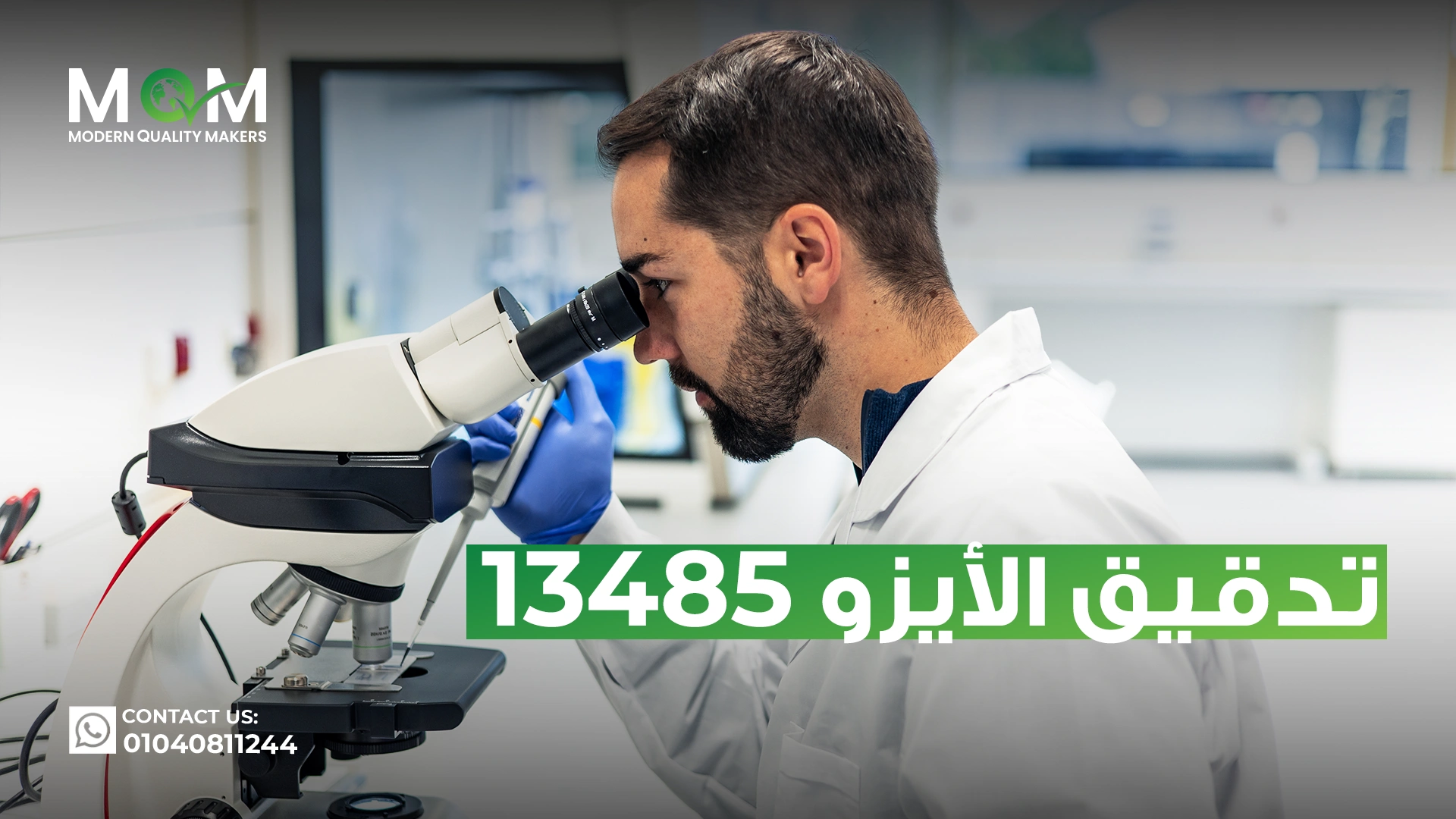
Laboratories play a critical role in ensuring the safety, accuracy, and reliability of products and services across many industries. Whether it is testing food quality, analyzing chemical substances, calibrating medical equipment, or measuring industrial materials, laboratories are expected to deliver results that are precise and internationally trusted. This is where international standards become essential, especially when organizations aim to prove their technical competence.
One of the most recognized standards worldwide for laboratories is 17025 iso, which provides a framework for ensuring that testing and calibration labs operate with accuracy, transparency, and consistent quality. This standard is not only about documentation, but also about proving technical capability, valid methods, competent staff, and reliable results.
In this article, we will explain what this standard is, why it matters, how it works, and how certification bodies can support laboratories in obtaining official recognition
What is ISO/IEC 17025?
ISO/IEC 17025 is an international standard that defines the general requirements for the competence of testing and calibration laboratories. It applies to laboratories of all sizes, regardless of whether they belong to governments, universities, private companies, or industrial organizations.
The main purpose of 17025 iso is to ensure that laboratories produce accurate and consistent test results through strong quality management systems and technical procedures. It focuses on two main areas:
- Management requirements (quality system and organization)
- Technical requirements (methods, equipment, staff, and testing conditions)
This combination makes it a powerful standard because it does not only check if a lab follows procedures, but also verifies that the lab can actually produce valid results
Why is ISO 17025 Important for Laboratories?
Laboratories that comply with ISO/IEC 17025 gain significant credibility in both local and international markets. When a laboratory follows the requirements of 17025 iso, it demonstrates that its testing and calibration results can be trusted.
This is important for many reasons:
- It strengthens confidence in laboratory reports.
- It supports regulatory compliance and legal acceptance.
- It improves customer satisfaction and long-term business growth.
- It reduces errors and increases efficiency.
- It improves laboratory performance through structured management and monitoring.
Many industries today require laboratories to be ISO 17025 compliant before they accept their reports, especially in sectors like pharmaceuticals, construction, food safety, oil and gas, and healthcare
Key Requirements of ISO/IEC 17025
To understand how the standard works, it is important to know its main requirements. 17025 iso focuses on building a strong system that controls quality and improves accuracy.
Some of the key requirements include:
1. Competence of Personnel
Laboratory staff must have proper qualifications, training, and technical knowledge. Records must be kept to show competency and continuous development.
2. Valid Testing and Calibration Methods
The laboratory must use methods that are validated and appropriate for the intended purpose. This includes using international testing standards and verifying accuracy.
3. Equipment and Calibration
All laboratory equipment must be maintained, calibrated, and monitored regularly to ensure measurements are reliable.
4. Traceability of Measurements
Results must be traceable to international measurement standards through proper calibration and documentation.
5. Handling of Samples
The laboratory must have clear procedures for receiving, storing, and handling samples to avoid contamination or errors.
6. Quality Assurance of Results
The laboratory must perform internal quality checks such as proficiency testing, inter-laboratory comparisons, and regular audits.
By meeting these requirements, laboratories can ensure their results meet global expectations
Difference Between ISO 9001 and ISO 17025
Some organizations confuse ISO 9001 with ISO 17025. ISO 9001 is a general quality management standard that applies to all types of organizations. However, 17025 iso is specifically designed for laboratories and includes technical requirements that ISO 9001 does not cover.
ISO 17025 goes beyond management systems and focuses on laboratory competence, including technical validation, measurement uncertainty, and calibration accuracy. That is why ISO 17025 is the correct choice for laboratories that want to prove their testing credibility
Benefits of Implementing ISO 17025
Implementing 17025 iso brings multiple advantages to laboratories and the organizations they serve.
Improved Accuracy and Reliability
The standard ensures that testing and calibration processes are controlled and validated, reducing errors and increasing confidence.
International Recognition
Laboratories that meet ISO 17025 requirements are more likely to have their results accepted globally, supporting international trade and partnerships.
Stronger Market Position
Certification helps laboratories stand out from competitors, especially in highly regulated industries.
Better Internal Control
The standard encourages laboratories to improve documentation, monitor processes, and maintain consistent performance.
Reduced Risk
By applying strict procedures, laboratories reduce risks related to incorrect testing, customer complaints, and regulatory penalties.
In a competitive environment, ISO 17025 compliance is often seen as a major strategic advantage
Who Needs ISO 17025 Certification?
Many laboratories benefit from this standard, including:
- Calibration laboratories
- Environmental testing laboratories
- Food and beverage laboratories
- Pharmaceutical and medical labs
- Construction material testing labs
- Oil and gas laboratories
- Chemical analysis labs
- Research laboratories
Any organization that produces laboratory results can benefit from adopting 17025 iso requirements to strengthen credibility and operational quality
The Certification Process for ISO 17025
Achieving certification requires planning, preparation, and a clear understanding of the standard. The process typically includes:
Step 1: Gap Analysis
The laboratory evaluates its current system compared to ISO 17025 requirements and identifies areas that need improvement.
Step 2: Documentation and Implementation
Policies, procedures, and technical records are prepared and applied. Staff are trained to ensure full compliance.
Step 3: Internal Audit
The laboratory conducts internal audits to confirm readiness and to identify any weaknesses before external assessment.
Step 4: Management Review
Top management reviews the system performance, risks, improvement actions, and overall compliance status.
Step 5: External Assessment
A certification body conducts an official assessment to verify that the laboratory meets all requirements of 17025 iso.
Step 6: Certification Decision
If the laboratory meets the requirements, the certification body issues the ISO 17025 certificate.
The Role of Certification Bodies
A certification body plays a key role in confirming laboratory compliance. It is important to understand that certification bodies do not provide consulting services. Their main responsibility is to evaluate laboratories objectively and issue certifications based on international standards.
For laboratories seeking 17025 iso certification, working with an accredited certification body ensures that the process is transparent, professional, and aligned with global expectations. Certification bodies assess documentation, technical competence, equipment traceability, staff qualifications, and testing reliability.
The goal is to provide confidence to customers and stakeholders that the laboratory meets international competence standards
Common Challenges During ISO 17025 Implementation
Laboratories may face challenges while preparing for certification, such as:
- Lack of complete documentation
- Limited technical training for staff
- Difficulty in method validation
- Poor equipment calibration management
- Weak internal audit systems
- Inconsistent quality control practices
However, these challenges can be overcome with structured planning, proper internal monitoring, and commitment to quality improvement.
Once the system is established, maintaining compliance becomes easier and contributes to long-term stability
Maintaining ISO 17025 Certification
Getting certified is only the beginning. Laboratories must maintain compliance continuously. This includes:
- Regular internal audits
- Ongoing proficiency testing
- Continuous staff training
- Equipment maintenance and calibration updates
- Corrective actions for non-conformities
- Periodic surveillance audits by the certification body
Maintaining 17025 iso certification ensures that laboratories keep delivering consistent results and meet evolving industry requirements
Conclusion
ISO/IEC 17025 is one of the most important standards for laboratories worldwide. It ensures technical competence, reliable test results, and strong quality control systems. Laboratories that implement this standard gain credibility, reduce operational risks, and improve customer trust.
Whether your laboratory works in food testing, calibration, chemical analysis, or industrial inspection, adopting 17025 iso can help you achieve international recognition and long-term growth. Certification from a recognized certification body is the official step that confirms your compliance and demonstrates your laboratory’s commitment to accuracy and excellence.
By following the requirements, improving systems, and maintaining consistent monitoring, laboratories can build a strong reputation and deliver results that are trusted everywhere